

UK economic growth disappoints
Mounting speculation over inflation drove up government bond yields around the world in the middle of April, and the benchmark UK gilt yield closed as high as 1.54% during April. Sterling rallied against the US dollar in the middle of the month, boosted by mounting expectations of higher interest rates, but later subsided on news of disappointing economic growth. The UK economy expanded at a quarterly rate of 0.1% during the first three months of 2018, compared with growth of 0.4% in the final quarter of 2017. This represented the UK’s slowest quarter-on-quarter growth since the final three months of 2012. Growth was dampened by a 3.3% contraction in construction activity and lacklustre manufacturing output. Manufacturing activity registered its first monthly decline since March 2017 during February. Meanwhile, construction output continued to decline, falling at a monthly rate of 1.6%.
The UK’s annualised rate of consumer price inflation eased from 2.7% in February to 2.5% in March to reach its lowest level since March 2017, weakened by a slowdown in price increases for clothing and footwear. In comparison, average weekly earnings (excluding bonuses) rose at an annualised rate of 2.8% between December and February; in real terms, however, the year-on-year increase was only 0.2%. Over April as a whole, the yield on the ten-year government bond rose from 1.39% to 1.48%, while the yield on the short-dated gilt – which matures in 2020 – ended the month broadly unchanged, edging down from 0.82% to 0.81%.
The International Monetary Fund (IMF) expects the UK’s economy to underperform most other European countries during the next two years, with Italy the sole exception. The UK is forecast to expand by 1.6% this year and 1.5% next year, compared with projected growth in the eurozone of 2.4% and 2%. The IMF cited higher trade barrier and lower foreign direct investment as factors that will undermine growth in the UK. Nevertheless, the IMF believes that the Bank of England (BoE) should gradually tighten interest rates in order to minimise the risk of building inflationary pressure caused by low levels of unemployment and accelerating wage growth. Elsewhere, the EY ITEM Club believes the BoE will implement two increases in base rate this year and two next year, as a combination of low unemployment and signs of improving wage growth allow policymakers to “gradually normalise monetary policy”.

Explore other insights

Looking beyond the settlement: Why Financial Planning matters early in divorce
Separation and divorce are among life’s biggest transitions. Alongside the emotional challenges come important decisions about your home, your finances and your future.
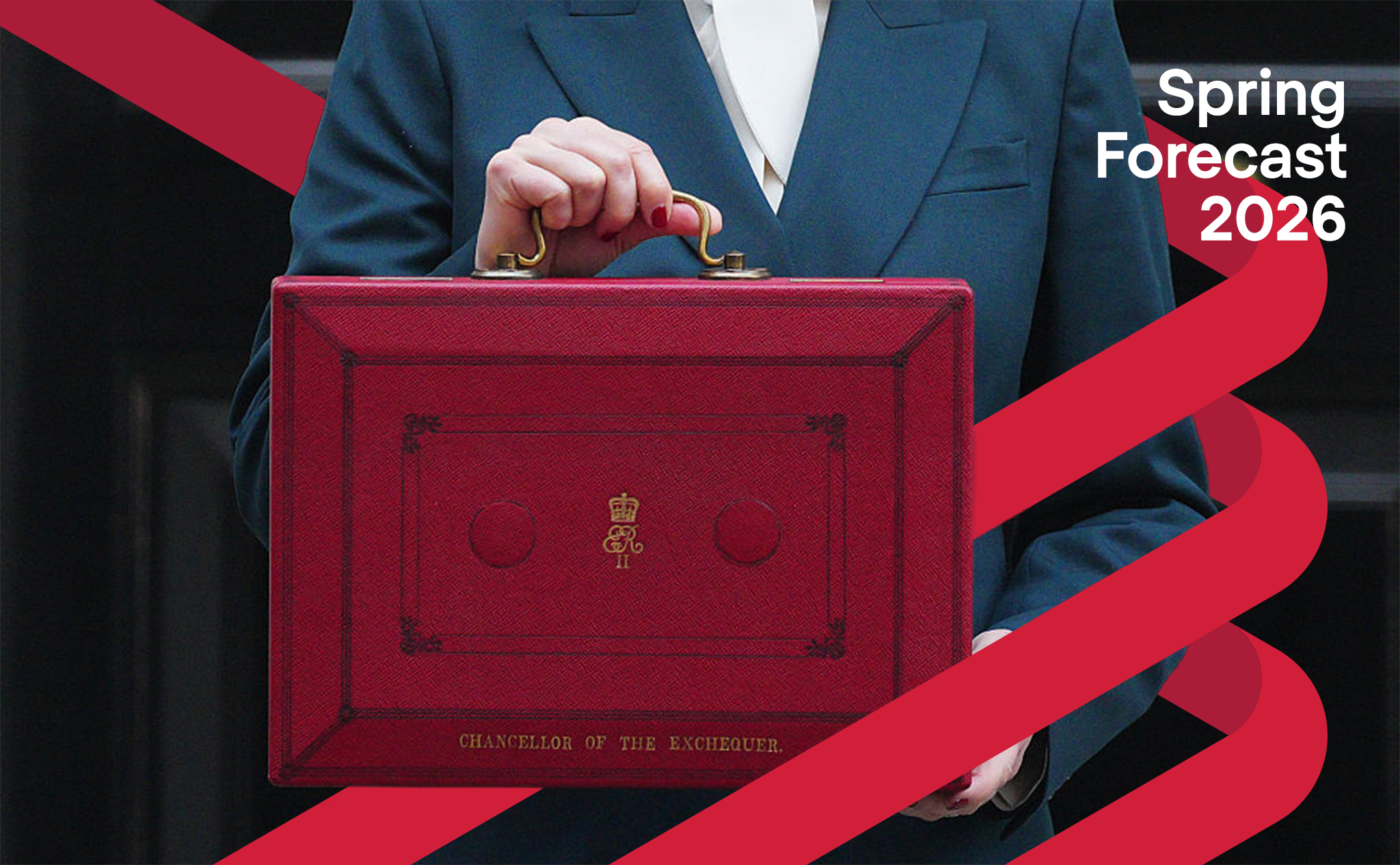
Spring Forecast 2026 Snapshot
The Chancellor of the Exchequer, Rachel Reeves, presented the Spring Forecast to the House of Commons on Tuesday, 3rd March 2026.

Unused Pension Pots After 2027? Here’s What You Need to Know About Estate and Pension Planning
Prior to last year’s Autumn Budget, much speculation centred around potential changes to the tax-free element of pensions.
What to do if something goes wrong
We always take great care and use best endeavours to make every effort to get things right first time, we appreciate that mistakes can occasionally happen. If you believe something is not correct or you are unhappy with any aspect of our service, please do get in touch with us. Your Financial Planner should be your first point of contact. Alternatively, you can contact their Office Principal using the details provided on this website. We will listen to your concerns and do our best to resolve the matter promptly and fairly.
If you wish to make a complaint, please contact the Complaints Inbox at complaints@pfgl.co.uk and the matter will be handled in line with the complaint handling rules set down by our regulator, The Financial Conduct Authority.
If after your complaint has been investigated, you remain unhappy with our response, you may be able to refer your complaint to the Financial Ombudsman Service, which can be contacted as follows:
Contact
The Financial Ombudsman Service, Exchange Tower, 1 Harbour Exchange Square, London, E14 9SR
Tel: 0800 023 4567