
 21st August 2026


Separation and divorce are among life’s biggest transitions. Alongside the emotional challenges come important decisions about your home, your finances and your future.
Over the years, I’ve had the privilege of helping many people navigate this journey. One thing I’ve seen time and again is that the earlier financial planning becomes part of the conversation, the more confidence people have in the decisions they make.
Many people understandably begin by speaking to a family solicitor. Legal advice is essential, but financial planning can add another valuable perspective by helping answer a simple question:
“Will the decisions I make today still work for me five, ten or twenty years from now?”
Looking Beyond the Numbers
A financial settlement may appear fair on paper, but that doesn’t always mean it will provide long-term financial security.
Two people may leave a marriage with assets of a similar value yet experience very different financial futures depending on their income, housing costs, pensions, tax position, childcare responsibilities and retirement plans.
This is where financial planning can make a real difference.
Rather than focusing solely on how assets are divided, we look at how those assets will support your life in the years ahead. Using cashflow forecasting, we can model different settlement options and explore what they might mean over the long term.
For example, it’s perfectly understandable that someone may wish to remain in the family home because it offers stability during an uncertain time. However, careful planning may show that maintaining the property could place pressure on future income or retirement plans. Equally, pension arrangements that seem reasonable today may have unintended consequences later in life.
Having this insight before decisions are finalised allows people to make informed choices with greater confidence.
Working Together for Better Outcomes
In my experience, the best outcomes happen when financial planning is introduced alongside legal advice rather than after most of the important decisions have already been made.
Family solicitors play a vital role in helping clients achieve a fair legal settlement. Mortgage advisers help assess borrowing options and affordability. Divorce coaches provide invaluable emotional support throughout what is often a very difficult period.
A financial planner brings these conversations together by considering how each decision affects your long-term financial wellbeing.
It’s not about replacing the expertise of other professionals. It’s about complementing it.
Bringing the Future into Focus
One of the most valuable tools available during divorce is cashflow forecasting.
Instead of focusing only on today’s assets, it allows you to see how your finances may develop over the next five, ten or even twenty years.
It can help answer questions such as:
- Will my income be enough?
- Can I realistically afford to keep my home?
- When will my pensions become available?
- How might inflation affect my future spending?
- Will I have enough to enjoy the retirement I want?
Sometimes the analysis provides reassurance that a proposed settlement is sustainable. On other occasions, it highlights areas that may benefit from further discussion before agreements are finalised.
Either way, it gives people greater clarity at a time when certainty can feel in short supply.
A Collaborative Approach
One aspect of my work that I particularly enjoy is working alongside other professionals who support people through separation and divorce.
I regularly attend a local networking group where family solicitors, mortgage advisers, divorce coaches and other specialists come together to share knowledge and discuss how we can improve the experience for the people we all support.
Those conversations reinforce something I strongly believe: no single professional sees the whole picture.
When advisers work collaboratively, clients benefit from clearer communication, fewer unexpected issues and advice that considers both the immediate settlement and the life that follows.
After all, divorce isn’t simply a legal process. It’s the beginning of a new financial chapter.

Damion can help you understand your options, make informed decisions and plan confidently for the future. Speak with us for personalised advice tailored to your circumstances.
Explore other insights
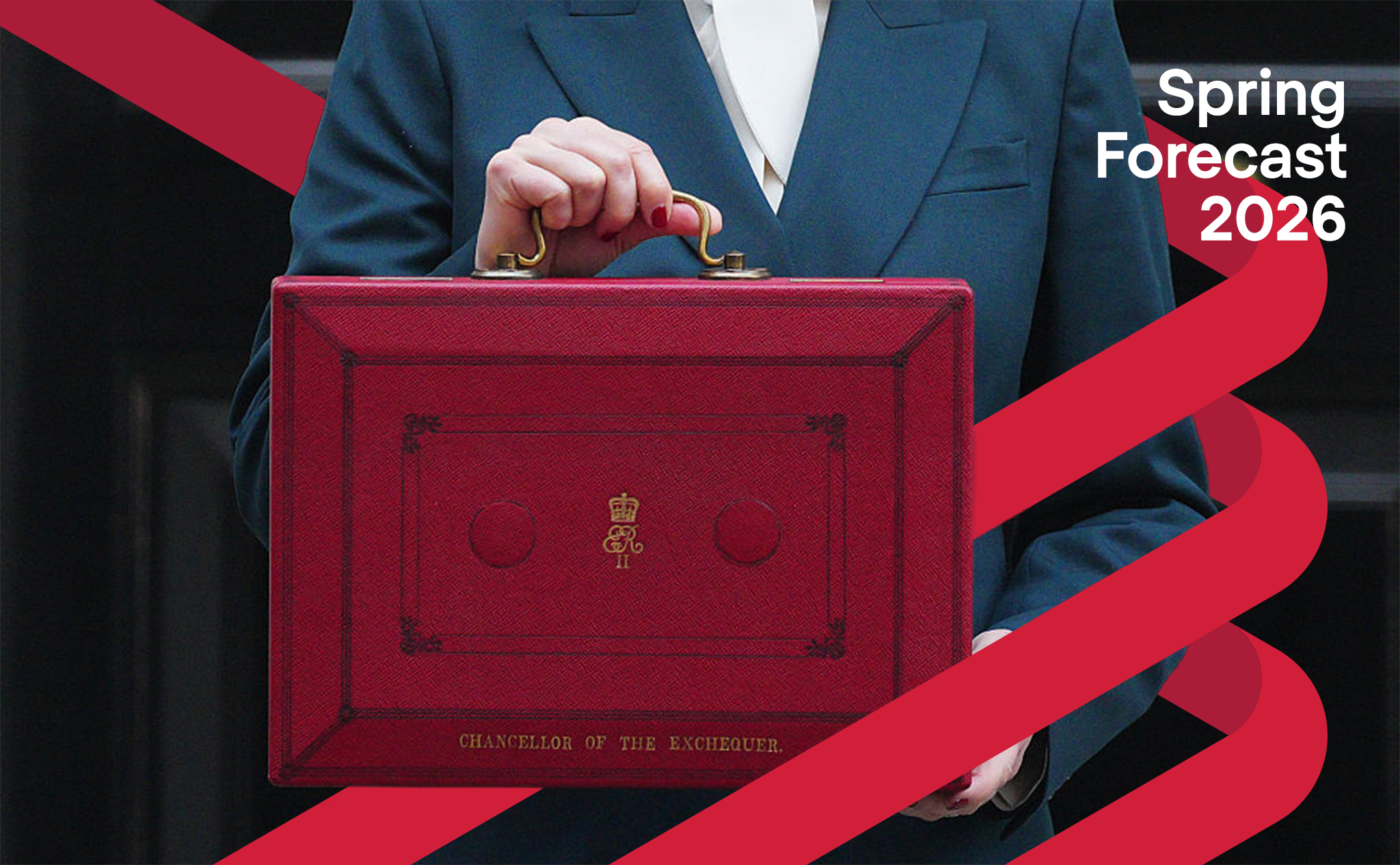
Spring Forecast 2026 Snapshot
The Chancellor of the Exchequer, Rachel Reeves, presented the Spring Forecast to the House of Commons on Tuesday, 3rd March 2026.

Unused Pension Pots After 2027? Here’s What You Need to Know About Estate and Pension Planning
Prior to last year’s Autumn Budget, much speculation centred around potential changes to the tax-free element of pensions.
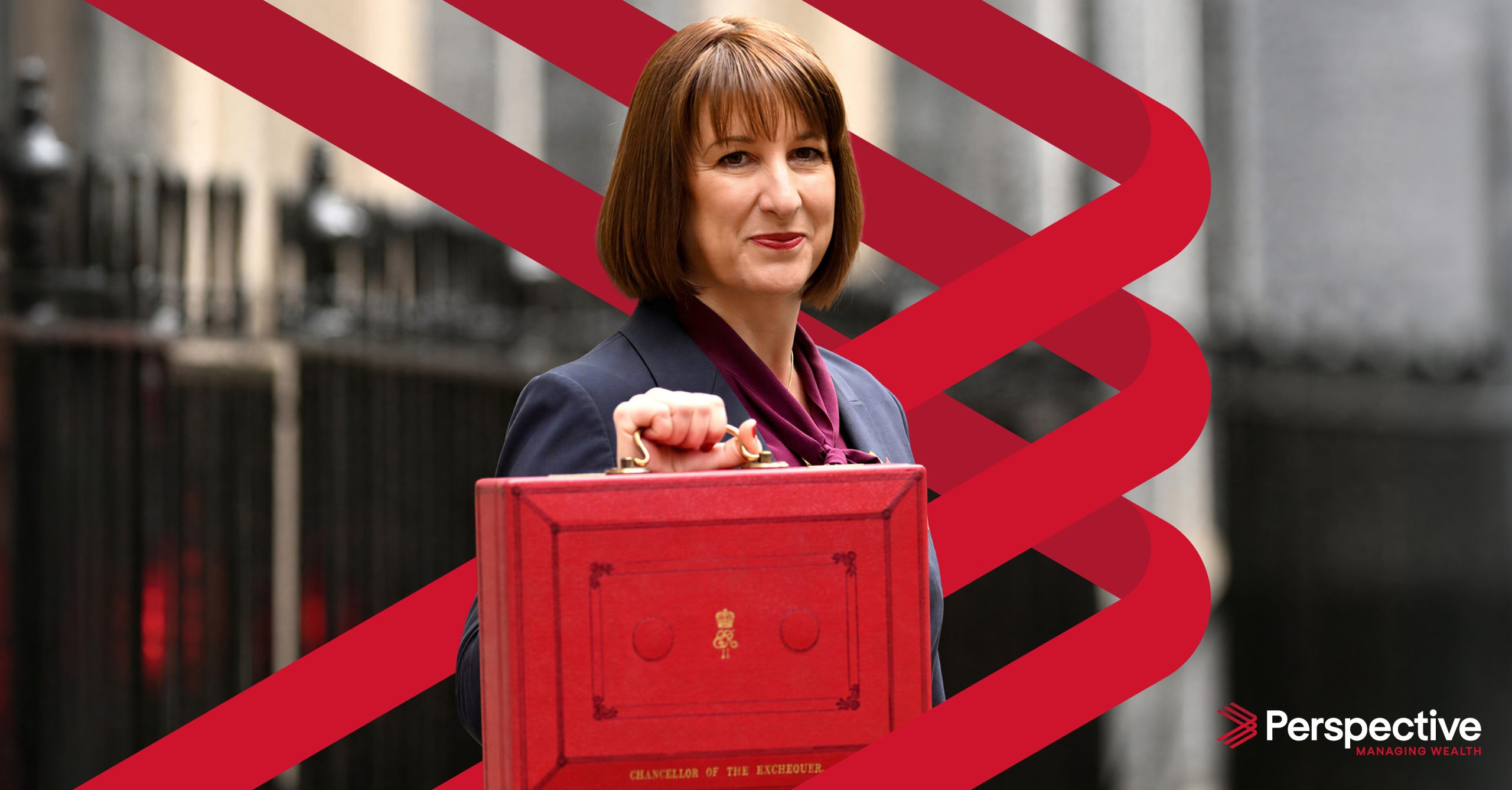
Autumn Budget Summary 2025
The Chancellor of the Exchequer, Rachel Reeves, presented the Budget statement to the House of Commons shortly after 12.30 this afternoon.
What to do if something goes wrong
We always take great care and use best endeavours to make every effort to get things right first time, we appreciate that mistakes can occasionally happen. If you believe something is not correct or you are unhappy with any aspect of our service, please do get in touch with us. Your Financial Planner should be your first point of contact. Alternatively, you can contact their Office Principal using the details provided on this website. We will listen to your concerns and do our best to resolve the matter promptly and fairly.
If you wish to make a complaint, please contact the Complaints Inbox at complaints@pfgl.co.uk and the matter will be handled in line with the complaint handling rules set down by our regulator, The Financial Conduct Authority.
If after your complaint has been investigated, you remain unhappy with our response, you may be able to refer your complaint to the Financial Ombudsman Service, which can be contacted as follows:
Contact
The Financial Ombudsman Service, Exchange Tower, 1 Harbour Exchange Square, London, E14 9SR
Tel: 0800 023 4567