

Budget 2024 Snapshot

The Spring Budget sets out the Government’s tax and spending plans and could be the last major fiscal event before the General Election although this still may not happen until 28 January 2025. The Budget takes place after the UK went into recession towards the end of 2023 and while Labour continues to hold a strong lead in the opinion polls and there is ongoing conflict in Gaza and Ukraine.
This snapshot is intended to give you high level bullet points of the key points announced by the Chancellor from the dispatch box.
More in depth details are available from the Government website here.
OBR economic forecasts
Growth
o 2024: 0.8% (0.6% in Autumn Statement)
o 2025: 1.9% (1.4%)
o 2026: 2.0% (2.0%)
o 2027: 1.8% (2.0%)
o 2028: 1.7% (1.7%)
CPI inflation
o 2024: 2.2% (3.6%)
o 2025: 1.5% (1.8%)
o 2026: 1.6% (1.4%)
o 2027: 1.9% (1.7%)
o 2028: 2.0% (2.0%)
Public sector net borrowing
o 2023/2024: 4.2% (4.5%)
o 2024/2025: 3.1% (3.0%)
o 2025/2026: 2.7% (2.7%)
o 2026/2027: 2.3% (2.3%)
o 2027/2028: 1.6% (1.6%)
o 2028/2029: 1.2% (1.1%)
Unemployment
o 2024: 4.4% (4.6%)
o 2025: 4.4% (4.6%)
o 2026: 4.2% (4.4%)
o 2027: 4.2% (4.2%)
o 2028: 4.1% (4.1%)
Tax and benefits
- Employee NI contributions to be reduced from 10% to 8% and self-employed NI contributions reduced from 9% to 6% from 6 April 2024.
- Higher CGT rate for residential property to be reduced from 28% to 24% from 6 April 2024.
- Non-UK domicile tax regime to be abolished and replaced with residency-based system from April 2025. Transitional arrangements will apply to individuals affected.
- High Income Child Benefit Charge income threshold to be raised from £50,000 to £60,000 from April 2024, taper rate to be halved so that Child Benefit will not be repaid in full until income reaches £80,000 and Government to consult on moving to a charge based on household rather personal income.
- Household Support Fund, which is used to support households most in need, to be extended for a further six months until September 2024.
- Alcohol duty freeze extended until 1 February 2025.
- ‘Temporary’ 5p fuel duty cut introduced in 2022 extended until April 2025.
- Vaping duty to be introduced from 1 October 2026 together with a one-off tobacco duty increase at the same time.
- Air passenger duty for non-economy flights to be increased to maintain their real terms value.
Savings and investments
- Consultation on new UK ISA that invests in UK equities with a £5000 allowance in addition to the £20,000 that can be subscribed into an ISA.
- British Savings Bonds to be launched through NS&I in April 2024 that will offer a guaranteed interest rate, fixed for three years.
- Government intends to sell remaining shares in NatWest including some to retail investors during summer 2024 at the earliest.
Business
- VAT registration threshold to be increased for the first time since 2017 from £85,000 to £90,000 from 1 April 2025.
- Government to consult on extending full expensing to assets for leasing.
- Government agreed a deeper ‘trailblazer’ devolution deal with the North East Mayoral Combined Authority.
- Level 2 Devolution Agreements finalised with Surrey County Council, Buckinghamshire Council and Warwickshire County Council.
Housing
- Furnished Holiday Lettings Regime to be abolished from 6 April 2025 to eliminate the tax advantage for landlords who let short-term furnished holiday properties over those who let residential properties to longer-term tenants.
- Stamp Duty Land Tax relief for multiple dwellings to be abolished from 1 June 2024.
- Investments announced in housing developments in Barking Riverside (£124 million) and Canary Wharf (£118 million) with plans to support housing developments in Leeds, Euston and Cambridge.

Explore other insights

Looking beyond the settlement: Why Financial Planning matters early in divorce
Separation and divorce are among life’s biggest transitions. Alongside the emotional challenges come important decisions about your home, your finances and your future.
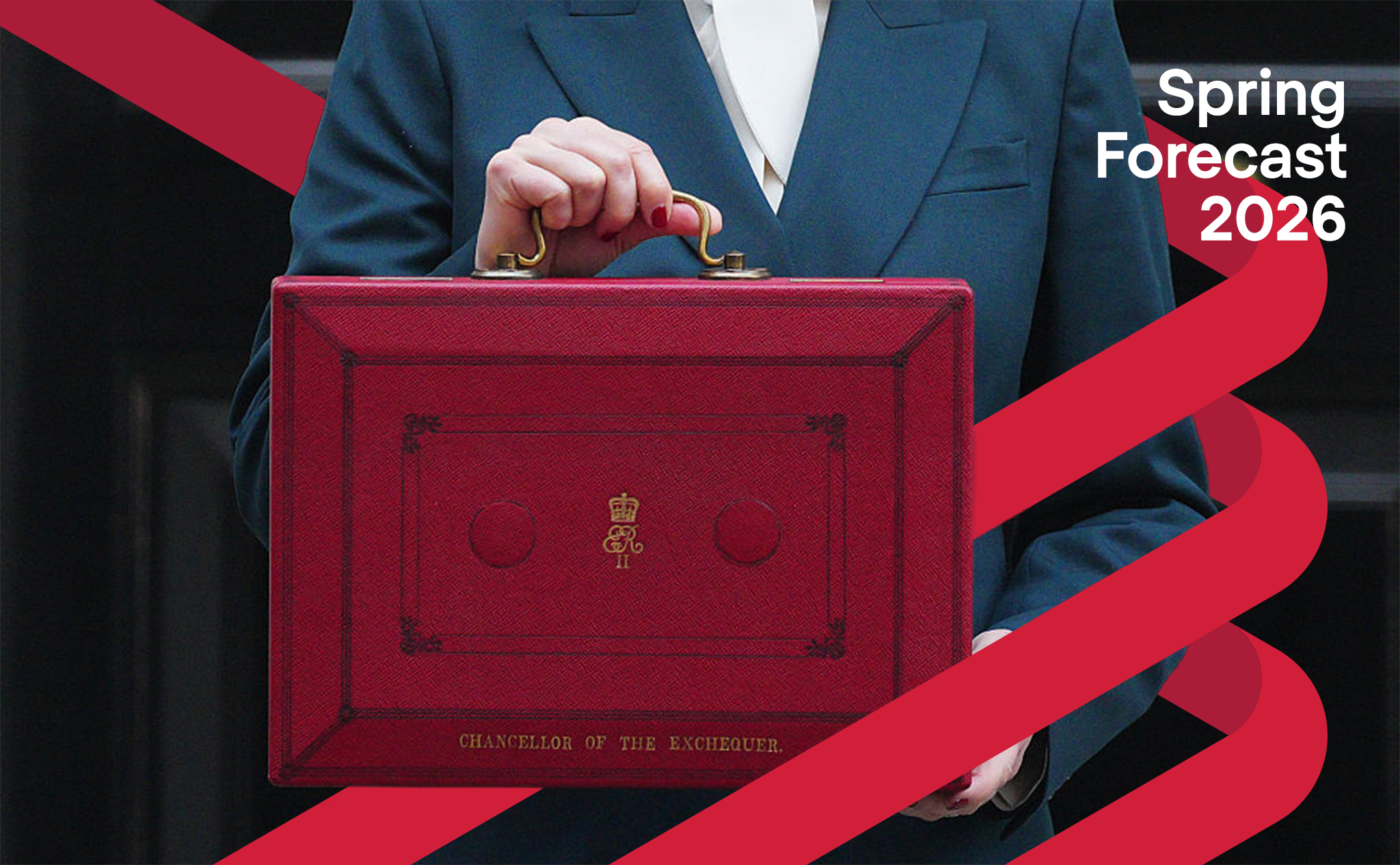
Spring Forecast 2026 Snapshot
The Chancellor of the Exchequer, Rachel Reeves, presented the Spring Forecast to the House of Commons on Tuesday, 3rd March 2026.

Unused Pension Pots After 2027? Here’s What You Need to Know About Estate and Pension Planning
Prior to last year’s Autumn Budget, much speculation centred around potential changes to the tax-free element of pensions.
What to do if something goes wrong
We always take great care and use best endeavours to make every effort to get things right first time, we appreciate that mistakes can occasionally happen. If you believe something is not correct or you are unhappy with any aspect of our service, please do get in touch with us. Your Financial Planner should be your first point of contact. Alternatively, you can contact their Office Principal using the details provided on this website. We will listen to your concerns and do our best to resolve the matter promptly and fairly.
If you wish to make a complaint, please contact the Complaints Inbox at complaints@pfgl.co.uk and the matter will be handled in line with the complaint handling rules set down by our regulator, The Financial Conduct Authority.
If after your complaint has been investigated, you remain unhappy with our response, you may be able to refer your complaint to the Financial Ombudsman Service, which can be contacted as follows:
Contact
The Financial Ombudsman Service, Exchange Tower, 1 Harbour Exchange Square, London, E14 9SR
Tel: 0800 023 4567