

Planning, it’s not that simple

The Cambridge Dictionary describes Planning as: ‘the process of deciding in detail how to do something before you actually start to do it.’ That seems simple enough, yet one of the key challenges we have in life is to not only plan, but to maintain that plan as things change. When we have conversations with clients, the concept of planning is often discussed. In these instances, we always encourage our clients to plan their life choices, rather than simply just look at their personal financial planning.
Retirement is an excellent example of this. In our experience, one of the biggest issues that people have with retirement is that they often view it as a time when they stop something, rather than seeing it as the opportunity to start something. When helping you prepare for retirement, we will naturally discuss your income and investment needs. However, we also try to encourage you to spend just as much time considering exactly WHAT you plan to do in retirement.
It may be that you have plans to develop a hobby, perhaps start up a business or travel the world. More recently, we are noticing a growth in people retiring to provide childcare support for their children. Whatever it may be, the first thing you really need to do is plan. When arranging a holiday, the more effort you put into organising it, the better the trip becomes. It is the same with the biggest and longest holiday of them all, namely retirement.
Note also that the planning process doesn’t stop once you have retired. A survey from the Office of National Statistics confirmed that a man aged 65 is now expected to live for another 18.6 years and a woman for another 21*. Therefore, just because you have reached retirement, it doesn’t mean that you stop long term financial planning.
In fact, there is an argument that says it is more important than ever to plan. Whilst you may have organised your income and investment plans, you need to discuss many other factors such as succession planning, potential Long Term Care and Inheritance Tax.
It is clear that the process of retirement has changed dramatically. No longer do you have to wait for a set age to come around and then see what money is available to live on. Most people now consider their finances and plan accordingly. In our experience, the success of your retirement often comes down to your state of mind. As Abe Lemons, a US Basketball Coach, once famously said:
“The trouble with retirement is that you never get a day off”
Therefore, just ask yourself some simple questions. Is retirement the start of something or the end of something? Is it a time to look forward or a time to look back? The more positive you feel about your retirement and the more planning you put into it, the better it will be. Just as importantly, this planning process shouldn’t stop once you retire.
Because, as somebody once said, the best way to become an old dog is to stop learning new tricks.

Explore other insights
Related Insights

Looking beyond the settlement: Why Financial Planning matters early in divorce
Separation and divorce are among life’s biggest transitions. Alongside the emotional challenges come important decisions about your home, your finances and your future.
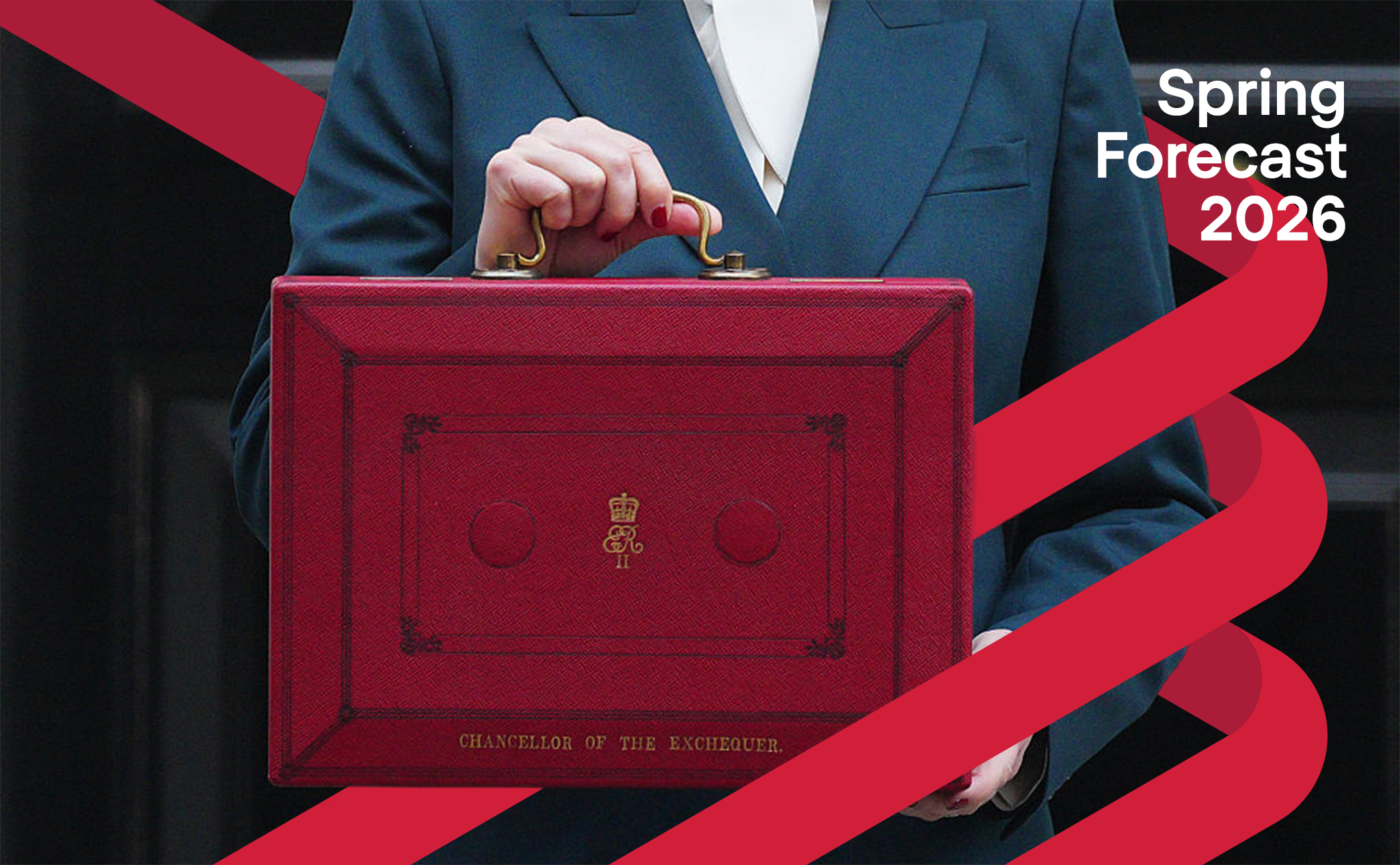
Spring Forecast 2026 Snapshot
The Chancellor of the Exchequer, Rachel Reeves, presented the Spring Forecast to the House of Commons on Tuesday, 3rd March 2026.

Unused Pension Pots After 2027? Here’s What You Need to Know About Estate and Pension Planning
Prior to last year’s Autumn Budget, much speculation centred around potential changes to the tax-free element of pensions.
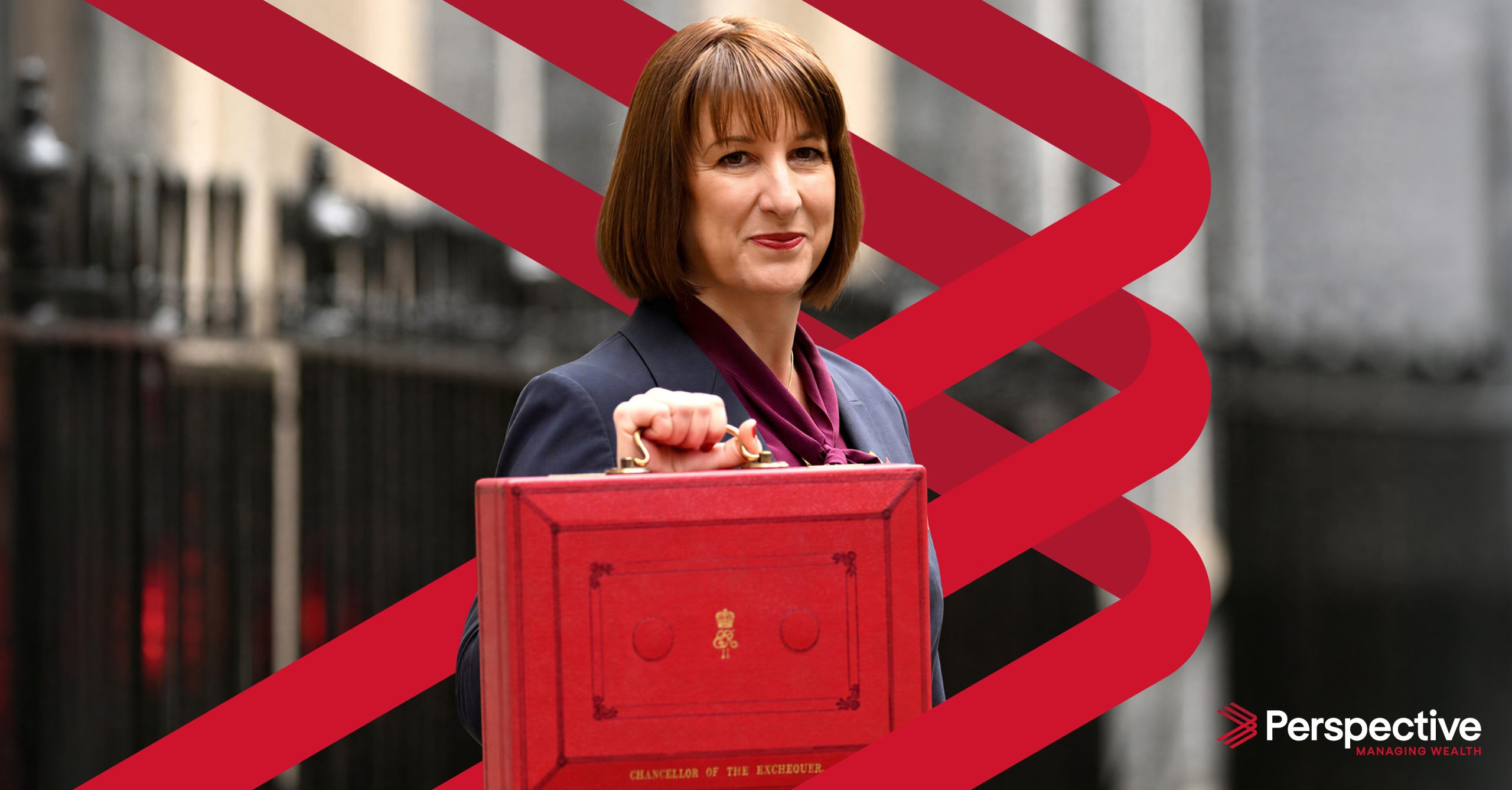
Autumn Budget Summary 2025
The Chancellor of the Exchequer, Rachel Reeves, presented the Budget statement to the House of Commons shortly after 12.30 this afternoon.
What to do if something goes wrong
We always take great care and use best endeavours to make every effort to get things right first time, we appreciate that mistakes can occasionally happen. If you believe something is not correct or you are unhappy with any aspect of our service, please do get in touch with us. Your Financial Planner should be your first point of contact. Alternatively, you can contact their Office Principal using the details provided on this website. We will listen to your concerns and do our best to resolve the matter promptly and fairly.
If you wish to make a complaint, please contact the Complaints Inbox at complaints@pfgl.co.uk and the matter will be handled in line with the complaint handling rules set down by our regulator, The Financial Conduct Authority.
If after your complaint has been investigated, you remain unhappy with our response, you may be able to refer your complaint to the Financial Ombudsman Service, which can be contacted as follows:
Contact
The Financial Ombudsman Service, Exchange Tower, 1 Harbour Exchange Square, London, E14 9SR
Tel: 0800 023 4567