

Cash is NOT always King
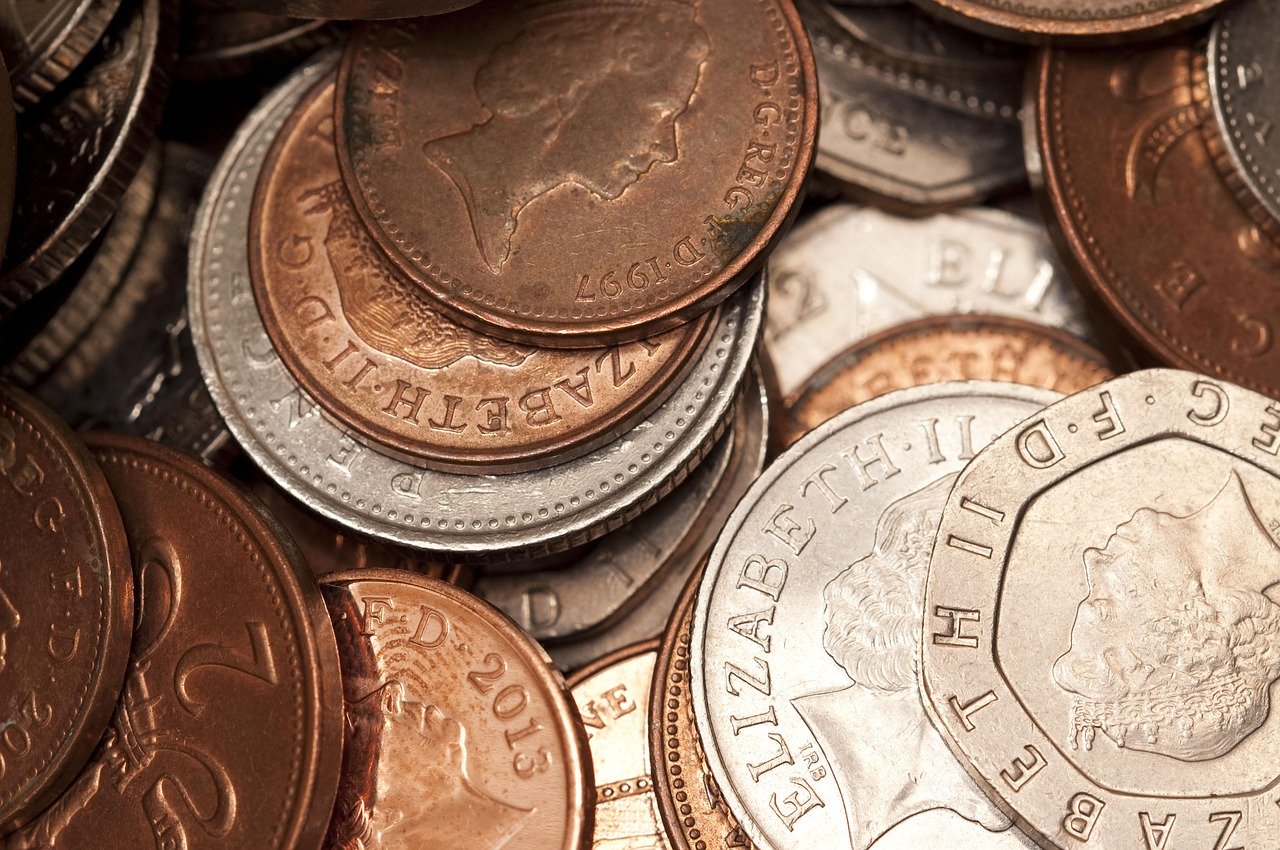
It may feel nice to have cash to hand, but how much is that really costing you?
In light of the recent rate reductions announced by National Savings and Investments and recognising that at present, banks are literally awash with cash, we thought we would draw your attention to the peril of being invested too heavily in this asset class.
One of the regular conversations we have concerns the level of overall assets that should remain in cash. In most instances, people tend to want more in cash than we would normally suggest, and their arguments are broadly always the same. Cash is very much an emotional draw, due to the liquid nature of savings accounts. People like the ability to ‘see’ the money, as it were. Whilst we empathise with this position, a bigger concern is the comments that we have from people that cash is regarded as being ‘risk free’.
Interest rates have remained stubbornly low for some time now and whilst that is good for those with mortgages, the savers amongst us continue to be penalised. If your cash deposit rate is lower than inflation, (and at the moment, that is likely) then the ‘real’ value or purchasing power of that asset is being eroded. Excessive money sat in cash deposits at present may offer poor, long term value.
Having said that, there is still a place for cash deposits in any portfolio and it has an important role to play. For example, it is a vital asset when considering any form of short-term requirement. Further to that, there is no question that cash is an excellent asset class to provide security or a guarantee of capital. Put simply, it’s the ideal place to hold money for a purpose.
You must recognise your deposit accounts as being part of your overall investment portfolio. As far as we are concerned, the first port of call in any portfolio has to be cash. Before you invest any money in other assets, it is vital you have a rainy-day fund, somewhere that is free from any fall in actual value and is also liquid. How much that amount will be depends upon individual circumstances, but a good starting point is to aim for between three and six months income being held in an instant access savings account. This allows you to have a ‘buffer’ against changes to your personal circumstances and ensures that essentials such as council tax and energy payments can still be maintained.
You should then add any requirement for cash within a twelve-month window (such as car or holiday purchase, school fees planning or other such matters). This should be held in a deposit account to avoid market volatility. Whilst we encourage our clients to consider investing in a multi asset proposition, which offers a range of assets such as Equities, Property and Gilts, as well as cash, we do recognise that these investments do not include the same security of capital which is afforded with a deposit account. Put simply, investing in any other asset class may mean that you get back less than the amount invested.
However, beyond that, cash is not an asset class to rely upon. As mentioned before, it is an asset class that will simply reduce in value in real terms. Yet, people still cling to the emotion of it, and this can prove to be expensive.
Therefore, do look closely at how much money you are holding in Bank and Building Society accounts. If it is more than three to six months’ worth of income as suggested above, then it may be time to talk to us about what other options are available. It may feel nice to have cash to hand, and there is clearly a need to retain some monies in cash as a ‘rainy day fund’ to meet any shortterm capital needs. But it is also very important to look closely at how much is sitting in cash accounts.
You may think that cash is king, but it’s an asset class that historically has cost you money in real terms

Explore other insights
Related Insights

Looking beyond the settlement: Why Financial Planning matters early in divorce
Separation and divorce are among life’s biggest transitions. Alongside the emotional challenges come important decisions about your home, your finances and your future.
Spring Forecast 2026 Snapshot
The Chancellor of the Exchequer, Rachel Reeves, presented the Spring Forecast to the House of Commons on Tuesday, 3rd March 2026.

Unused Pension Pots After 2027? Here’s What You Need to Know About Estate and Pension Planning
Prior to last year’s Autumn Budget, much speculation centred around potential changes to the tax-free element of pensions.
Autumn Budget Summary 2025
The Chancellor of the Exchequer, Rachel Reeves, presented the Budget statement to the House of Commons shortly after 12.30 this afternoon.
What to do if something goes wrong
We always take great care and use best endeavours to make every effort to get things right first time, we appreciate that mistakes can occasionally happen. If you believe something is not correct or you are unhappy with any aspect of our service, please do get in touch with us. Your Financial Planner should be your first point of contact. Alternatively, you can contact their Office Principal using the details provided on this website. We will listen to your concerns and do our best to resolve the matter promptly and fairly.
If you wish to make a complaint, please contact the Complaints Inbox at complaints@pfgl.co.uk and the matter will be handled in line with the complaint handling rules set down by our regulator, The Financial Conduct Authority.
If after your complaint has been investigated, you remain unhappy with our response, you may be able to refer your complaint to the Financial Ombudsman Service, which can be contacted as follows:
Contact
The Financial Ombudsman Service, Exchange Tower, 1 Harbour Exchange Square, London, E14 9SR
Tel: 0800 023 4567