

Keeping it in the family

Intergenerational planning helps you put financial measures in place to benefit your children later in life, and possibly even your future grandchildren, so it’s important to start planning early.
You may want to keep an element of control when passing on your assets. You may want your money to be used for a particular reason, such as paying for school or university fees or for a first property deposit. Or you may just want to make sure your money stays within the family.
Without appropriate provision, Inheritance Tax could become payable on your taxable estate that you leave behind when you pass away. Your taxable estate is made up of all the assets that you owned, the share of any assets that are jointly owned, and the share of any assets that pass automatically by survivorship. Careful planning can reduce or even eliminate the Inheritance Tax payable.
Inheritance Tax is not payable on the first part of the value of your estate – the ‘nil-rate band’. The nil-rate band is currently £325,000. If the total value of your estate does not exceed the nil-rate band, no Inheritance Tax is payable. Outstanding debts and funeral expenses can be deducted from the value of your estate.
Information is based on our current understanding of taxation legislation and regulations. Any levels and bases of, and reliefs from, taxation are subject to change. The Financial Conduct Authority does not regulate taxation and trust advice.

Explore other insights

Looking beyond the settlement: Why Financial Planning matters early in divorce
Separation and divorce are among life’s biggest transitions. Alongside the emotional challenges come important decisions about your home, your finances and your future.
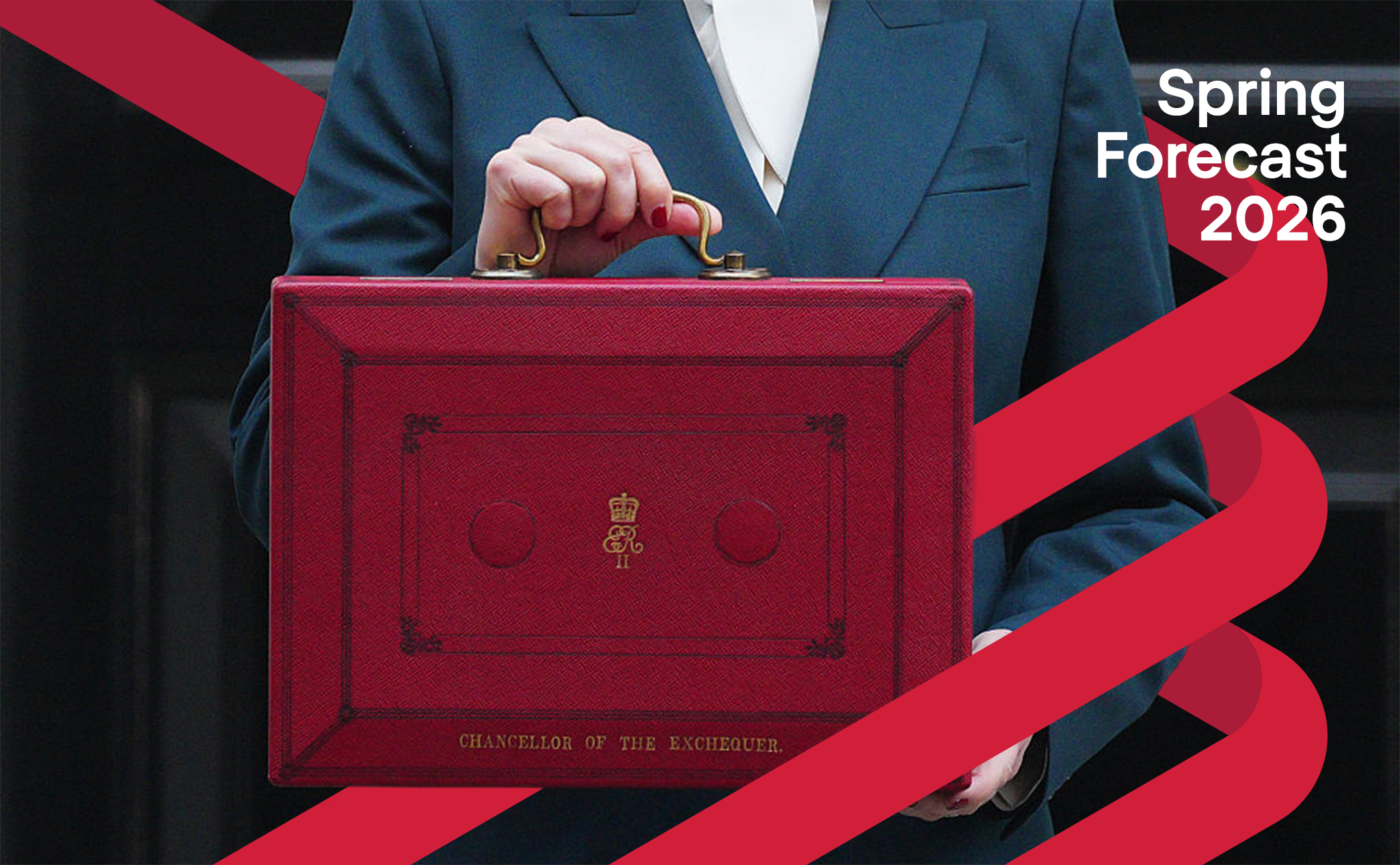
Spring Forecast 2026 Snapshot
The Chancellor of the Exchequer, Rachel Reeves, presented the Spring Forecast to the House of Commons on Tuesday, 3rd March 2026.

Unused Pension Pots After 2027? Here’s What You Need to Know About Estate and Pension Planning
Prior to last year’s Autumn Budget, much speculation centred around potential changes to the tax-free element of pensions.
What to do if something goes wrong
We always take great care and use best endeavours to make every effort to get things right first time, we appreciate that mistakes can occasionally happen. If you believe something is not correct or you are unhappy with any aspect of our service, please do get in touch with us. Your Financial Planner should be your first point of contact. Alternatively, you can contact their Office Principal using the details provided on this website. We will listen to your concerns and do our best to resolve the matter promptly and fairly.
If you wish to make a complaint, please contact the Complaints Inbox at complaints@pfgl.co.uk and the matter will be handled in line with the complaint handling rules set down by our regulator, The Financial Conduct Authority.
If after your complaint has been investigated, you remain unhappy with our response, you may be able to refer your complaint to the Financial Ombudsman Service, which can be contacted as follows:
Contact
The Financial Ombudsman Service, Exchange Tower, 1 Harbour Exchange Square, London, E14 9SR
Tel: 0800 023 4567