

Spring Statement Summary
It is quite clear that both energy and fuel costs are being adversely affected by foreign affairs, and short‐term measures were introduced to help, with Fuel Duty being cut as well as VAT being removed on energy efficient measures such as solar panels and insulation. But, with debt interest at £83bn, the highest nominal spending level since records began, there had been an expectation that some simple measures similar to those announced would be offered to help the ‘cost of living’ crisis.
The Chancellor delivered his Spring Statement on March 23rd and, whilst Covid remains stubbornly amongst us, it is the war in Ukraine that is driving hearts and minds at present. The Chancellor was also keen to confirm that this is partially responsible for our financial position as well.
It is quite clear that both energy and fuel costs are being adversely affected by foreign affairs, and short‐term measures were introduced to help, with Fuel Duty being cut as well as VAT being removed on energy efficient measures such as solar panels and insulation.
But, with debt interest at £83bn, the highest nominal spending level since records began, there had been an expectation that some simple measures similar to those announced would be offered to help the ‘cost of living’ crisis.
Therefore, it came as a bit of a surprise when the package offered by the Chancellor appeared to involve some quite serious tax cuts. Firstly, whilst the Chancellor confirmed that the National Insurance (NI) increases would happen in April 2022 – which they now have the took the opportunity to increase the salary level at which NI is payable to £12,570, aligning it with Income Tax Personal Allowance.
Whilst this won’t take effect until July 2022, it is a welcome move, although it must be noted that one of the key purposes of National Insurance is to fund the State Pension. This could mean some lower paid people will lose out on a Pension credit for State Pension purposes – we still await full details from the Chancellor.
The Chancellor produced another surprise by announcing an Income Tax cut from 20% to 19%, although this would not come into force until 2024, and naturally also assumes that everything goes to plan with the country’s finances.
Whilst this makes for excellent headlines, when you link the frozen personal allowances announced last year to such high levels of inflation, you end up with a very nasty ‘double hit’ which could easily wipe out any gains offered from an income tax cut.
Remember that further tax allowances such as the Pension Lifetime Allowance and Inheritance Tax Threshold have also been frozen until 2025/26. With inflation expected to average more than 7% in 2022, frozen allowances mean more of your income and assets will be taxed accordingly. Therefore, more than ever, it is vital to plan your affairs in the most efficient way possible.

Explore other insights
Related Insights

Looking beyond the settlement: Why Financial Planning matters early in divorce
Separation and divorce are among life’s biggest transitions. Alongside the emotional challenges come important decisions about your home, your finances and your future.
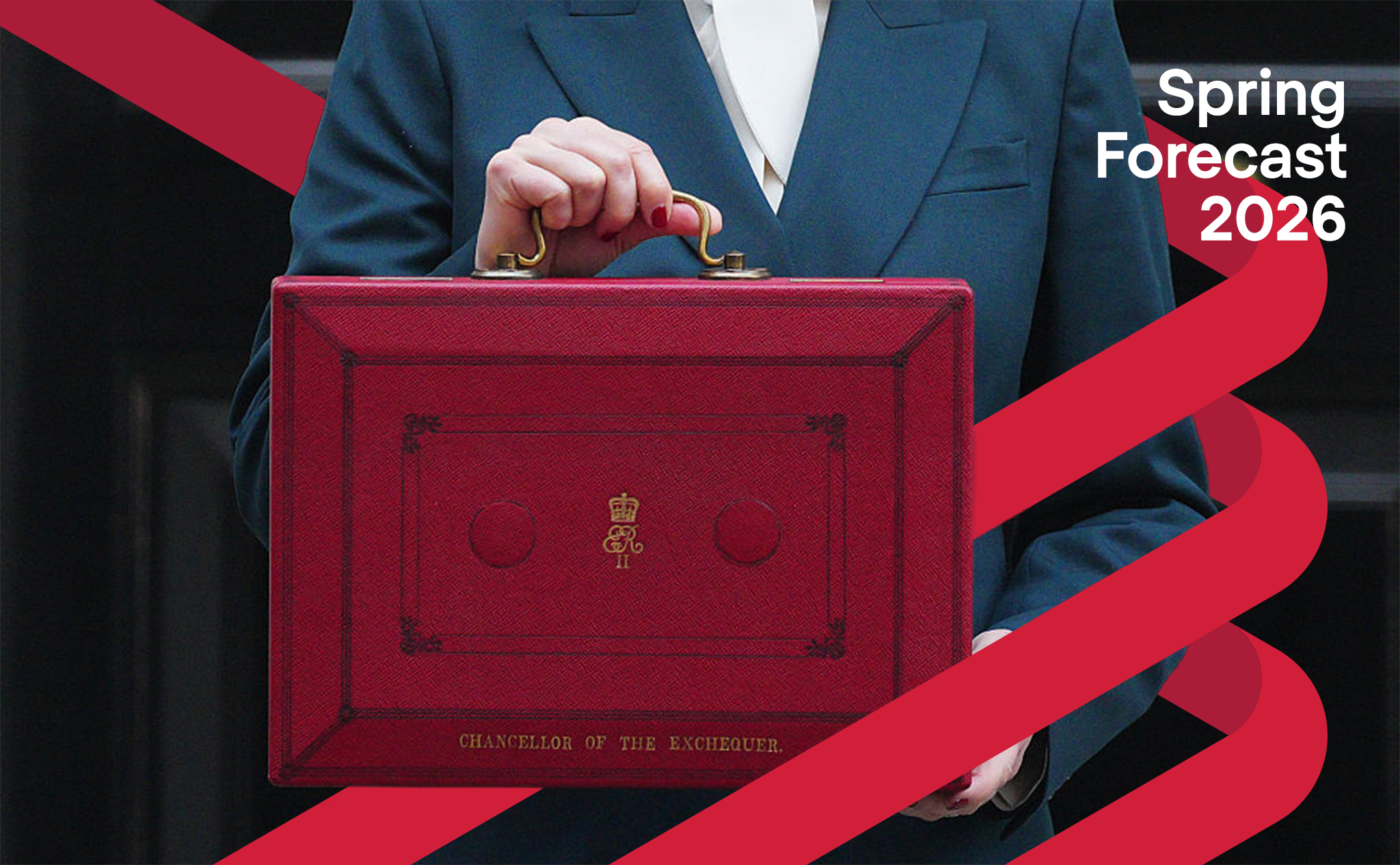
Spring Forecast 2026 Snapshot
The Chancellor of the Exchequer, Rachel Reeves, presented the Spring Forecast to the House of Commons on Tuesday, 3rd March 2026.

Unused Pension Pots After 2027? Here’s What You Need to Know About Estate and Pension Planning
Prior to last year’s Autumn Budget, much speculation centred around potential changes to the tax-free element of pensions.
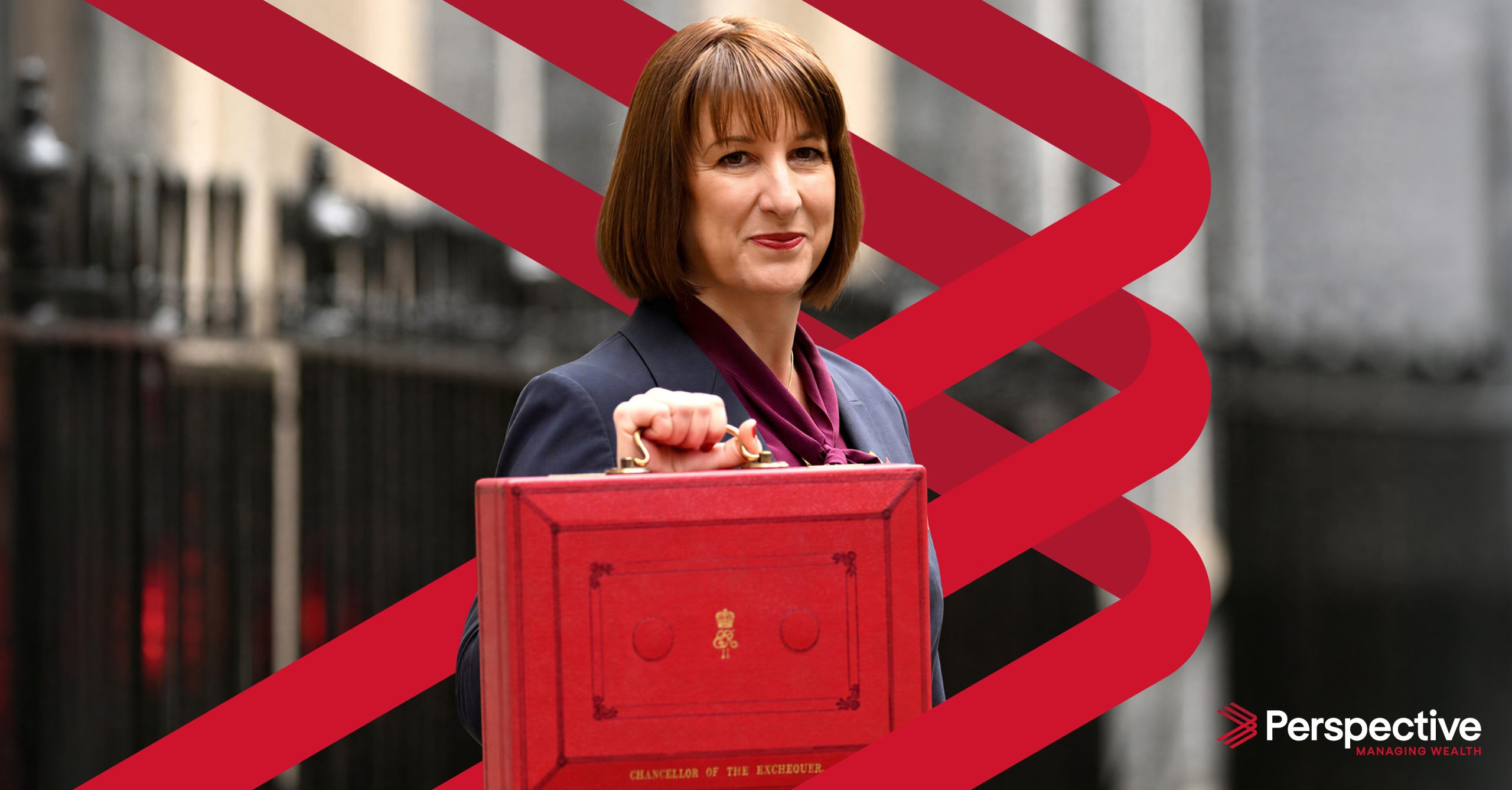
Autumn Budget Summary 2025
The Chancellor of the Exchequer, Rachel Reeves, presented the Budget statement to the House of Commons shortly after 12.30 this afternoon.
What to do if something goes wrong
We always take great care and use best endeavours to make every effort to get things right first time, we appreciate that mistakes can occasionally happen. If you believe something is not correct or you are unhappy with any aspect of our service, please do get in touch with us. Your Financial Planner should be your first point of contact. Alternatively, you can contact their Office Principal using the details provided on this website. We will listen to your concerns and do our best to resolve the matter promptly and fairly.
If you wish to make a complaint, please contact the Complaints Inbox at complaints@pfgl.co.uk and the matter will be handled in line with the complaint handling rules set down by our regulator, The Financial Conduct Authority.
If after your complaint has been investigated, you remain unhappy with our response, you may be able to refer your complaint to the Financial Ombudsman Service, which can be contacted as follows:
Contact
The Financial Ombudsman Service, Exchange Tower, 1 Harbour Exchange Square, London, E14 9SR
Tel: 0800 023 4567