

What does ethical investment mean today?

With a growing number of clients asking us about Ethical investment, we thought a brief update would be of wider interest.
Like many financial ideas, investing ‘ethically’ can quickly become overly complicated by industry language. It is not always well understood – investors may want their money to do good, or at least do no harm, but it is not always clear how to get started.
When we talk about ethical investing, what we really mean is putting your money into investments that are responsible and sustainable. Ethical investing originally meant using ‘sin screens’ to weed out potential investments in industries clients wanted to avoid.
This is what is known as ‘negative screening’, preventing investment in industries such as alcohol, tobacco, gambling or armaments and enabling funds to be selected which exclude industries investors would prefer to stay clear of. Today, however, there are ways to invest positively and proactively.
Positive action
Negative screening still plays an important role, but these days investors and providers adopt a more proactive style, finding companies that work hard to manage their impact and legacy on the world.
This ‘positive screening’ considers Environmental, Social and Governance (ESG) factors for investment. Often these days investors and providers adopt a more proactive style.
Environmental, Social and Governance: Key Questions
ENVIRONMENTAL FACTORS: How does an organisation approach climate change, energy and water usage, resource management, waste disposal, the ecological impact of their products and their carbon footprint?
SOCIAL FACTORS: Is a company attuned to social diversity, human rights, consumer protection, and does it work to promote a healthier and higher quality of life for staff and stakeholders? Does the business behave in a responsible way and expect the same of their suppliers?
GOVERNANCE FACTORS: How does a company build and review its management structure? How does it approach employee and investor relations? Are there sufficient levels of transparency, honesty and integrity at board level, and is this ethos shared across the company?
These are all questions that modern, socially aware investors are keen to engage with. By making positive screening part of the investment process, providers can find funds that include companies that set a positive example, through environmentally friendly products, socially responsible business practices and strong corporate governance infrastructures.
Positive screening is not just about recognising what is being done by businesses today. It is about encouraging them to keep ESG considerations at the forefront of what they do and strive to achieve ever-higher ESG standards. If you would like to know more about Ethical investing, please contact us.
**The value of your investment can go down as well as up and you may get back less than you have invested.

Explore other insights
Related Insights

Looking beyond the settlement: Why Financial Planning matters early in divorce
Separation and divorce are among life’s biggest transitions. Alongside the emotional challenges come important decisions about your home, your finances and your future.
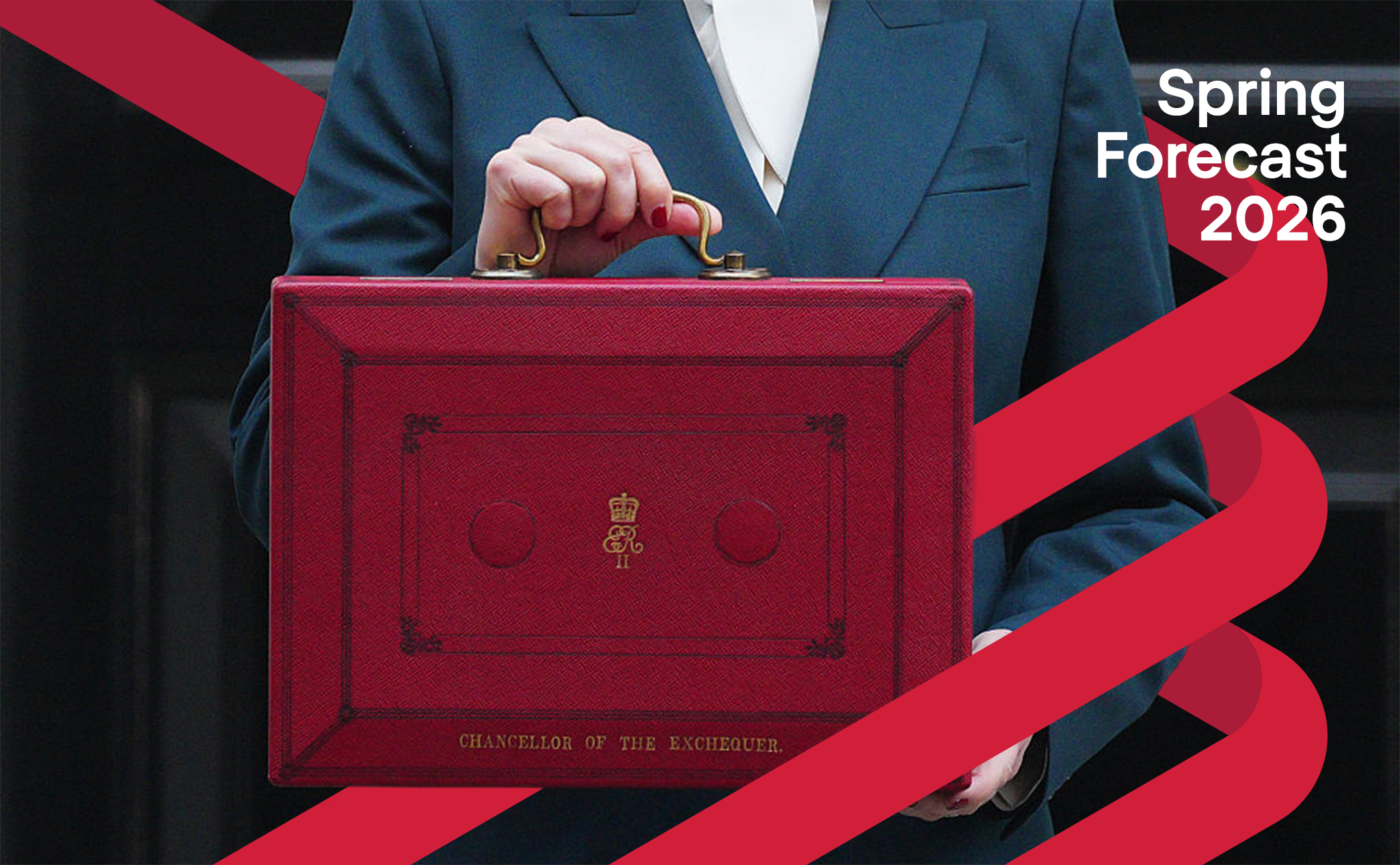
Spring Forecast 2026 Snapshot
The Chancellor of the Exchequer, Rachel Reeves, presented the Spring Forecast to the House of Commons on Tuesday, 3rd March 2026.

Unused Pension Pots After 2027? Here’s What You Need to Know About Estate and Pension Planning
Prior to last year’s Autumn Budget, much speculation centred around potential changes to the tax-free element of pensions.
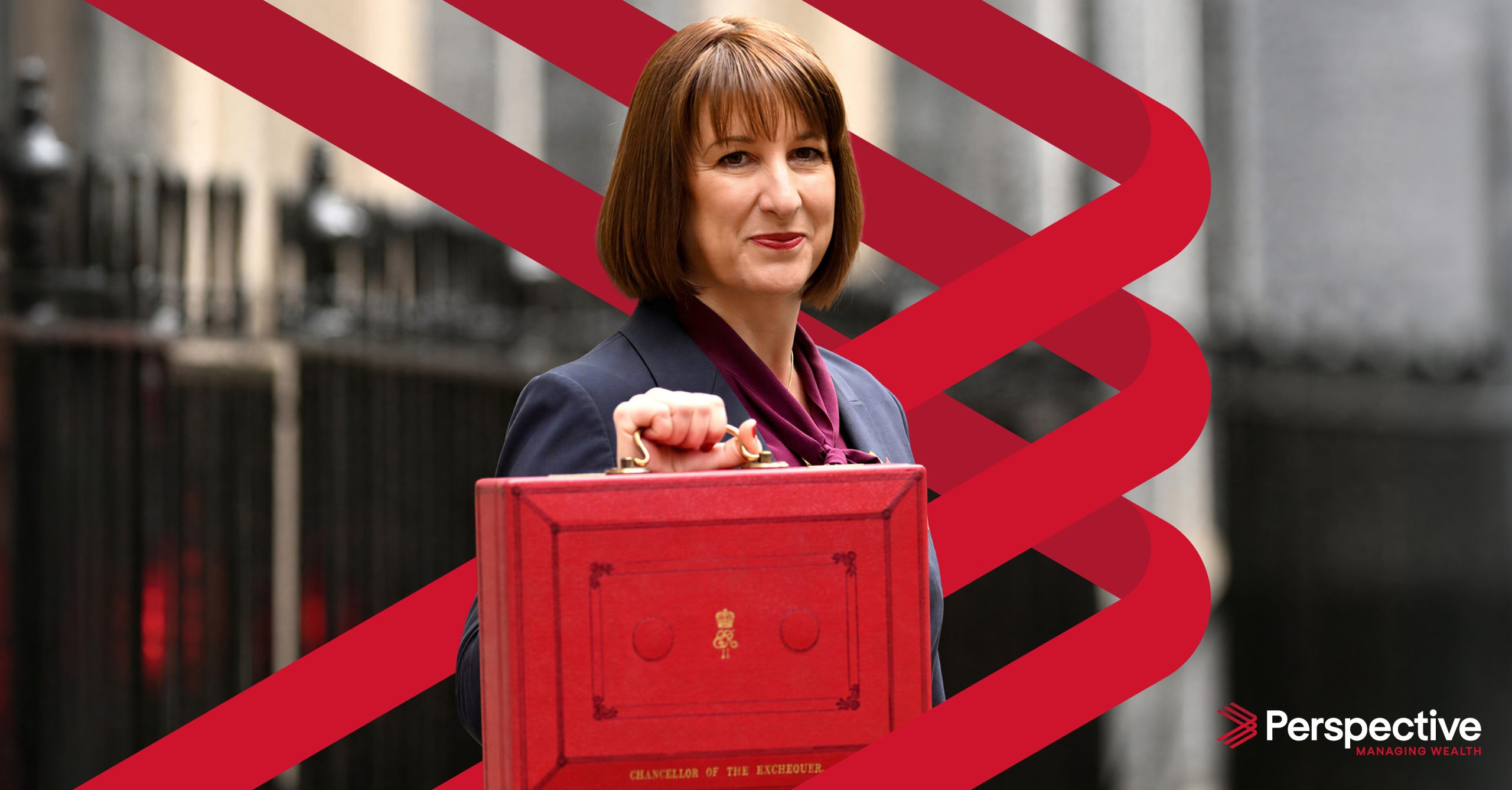
Autumn Budget Summary 2025
The Chancellor of the Exchequer, Rachel Reeves, presented the Budget statement to the House of Commons shortly after 12.30 this afternoon.
What to do if something goes wrong
We always take great care and use best endeavours to make every effort to get things right first time, we appreciate that mistakes can occasionally happen. If you believe something is not correct or you are unhappy with any aspect of our service, please do get in touch with us. Your Financial Planner should be your first point of contact. Alternatively, you can contact their Office Principal using the details provided on this website. We will listen to your concerns and do our best to resolve the matter promptly and fairly.
If you wish to make a complaint, please contact the Complaints Inbox at complaints@pfgl.co.uk and the matter will be handled in line with the complaint handling rules set down by our regulator, The Financial Conduct Authority.
If after your complaint has been investigated, you remain unhappy with our response, you may be able to refer your complaint to the Financial Ombudsman Service, which can be contacted as follows:
Contact
The Financial Ombudsman Service, Exchange Tower, 1 Harbour Exchange Square, London, E14 9SR
Tel: 0800 023 4567